Description
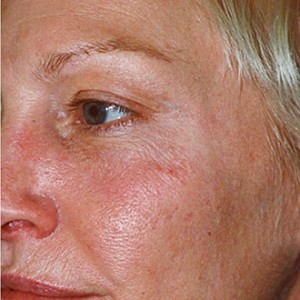
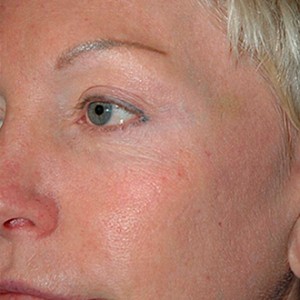
Client result above. Move slider
bar to see before and after.
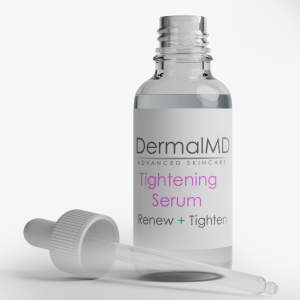
The Science Behind Your Rosacea Repair Serum
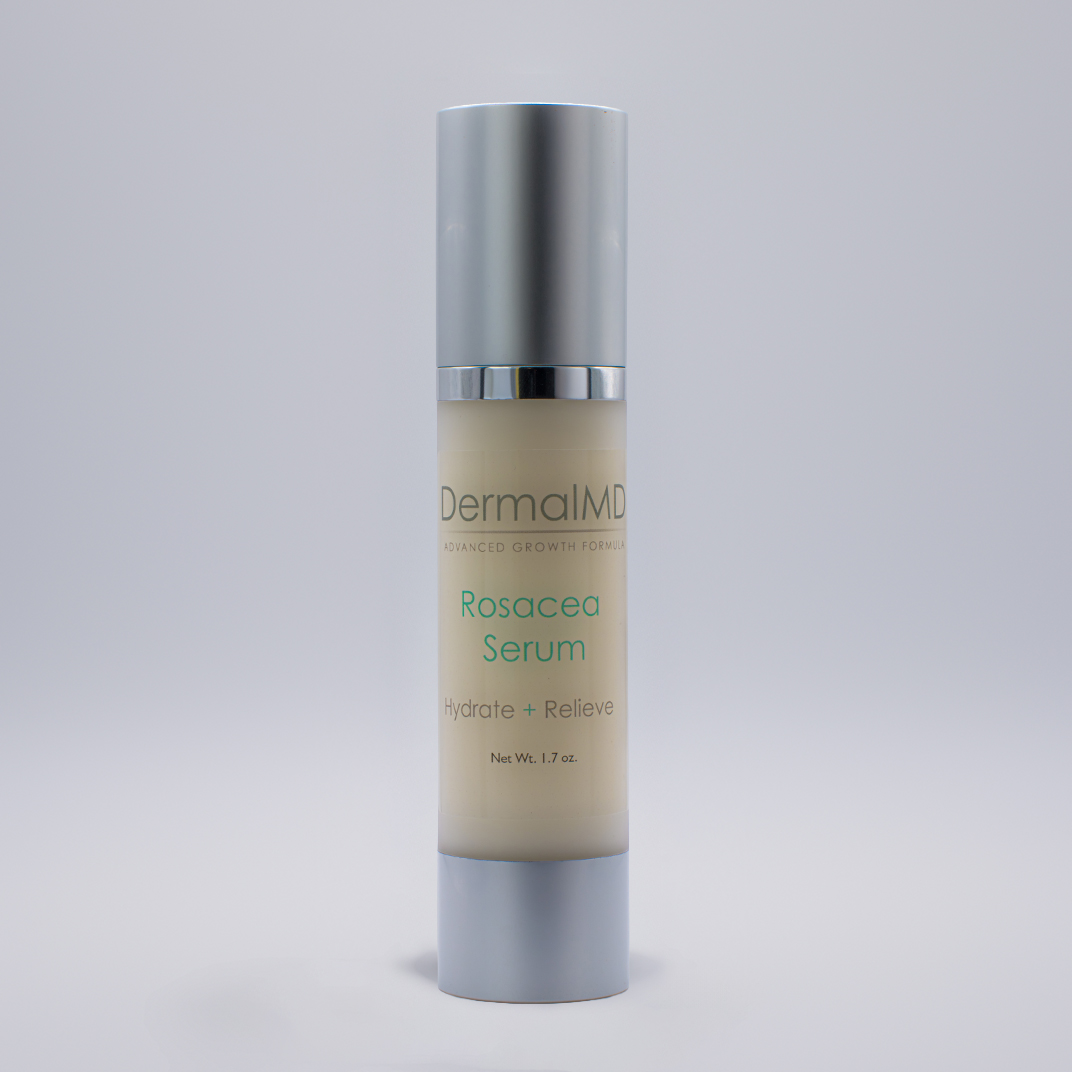
Dealing with rosacea means your skin barrier is compromised, making it highly reactive to the wrong ingredients. This serum is formulated specifically to rebuild your skin’s natural defenses, target the root causes of redness, and lock in moisture—without feeding the problem.
The “Oil Trap”: Why We Don’t Use Heavy Lotions
Many people with dry, irritated rosacea reach for thick, heavy creams packed with plant oils or butters. This is a massive mistake for rosacea-prone skin.
-
The Demodex Connection: Scientific research shows that rosacea (especially Subtype 2, which causes acne-like bumps) is heavily linked to an overgrowth of microscopic Demodex mites on the skin.
-
What They Eat: These mites do not drink water; they feast on lipids (oils) and sebum. When you apply heavy, oil-based lotions, shea butter, or coconut oil to your face, you are essentially providing an all-you-can-eat buffet for these mites, triggering intense inflammatory breakouts.
-
The Solution: This is why our formula is a lightweight, water-based hydrating serum. It delivers intense, soothing moisture using advanced humectants and targeted ceramides—giving your skin exactly what it needs to heal, without feeding the mites.
The Clinical Ingredients and Science Behind DermalMD Rosacea Serum
Every active ingredient in this serum was chosen based on dermatological research to repair the barrier and stop inflammation at the source.
1. 2% Niacinamide (Vitamin B3)
-
What it does: Calms inflammation and forces your skin to produce its own natural ceramides, rebuilding the broken barrier. We use exactly 2%—the clinical “sweet spot”—to heal the skin without causing the severe burning or flushing that high-dose (10%+) niacinamide serums cause.
-
The Science: Nicotinamide increases biosynthesis of ceramides as well as other stratum corneum lipids to improve the epidermal permeability barrier. * Read the Study: British Journal of Dermatology (via PubMed)
2. Sulfur
-
What it does: Sulfur is a gold-standard, FDA-approved dermatological treatment for rosacea. It acts as a powerful anti-inflammatory and actively controls the overpopulation of the lipid-eating Demodex mites, stopping bumps and redness before they start. (Note: Sulfur has a natural, slight earthy scent that dissipates quickly upon application).
-
The Science: The use of sodium sulfacetamide/sulfur in the treatment of rosacea and acne vulgaris.
-
Read the Study: Journal of Clinical and Aesthetic Dermatology (via NIH)
3. Ceramide Complex
-
What it does: Rosacea-prone skin is chronically deficient in ceramides. Ceramides act as the “mortar” between your skin cells. By applying them directly, you instantly seal the micro-tears in your skin, locking hydration inside and keeping environmental triggers (like wind and pollution) out.
-
The Science: The structure, function, and importance of ceramides in skin and their use as therapeutic agents in skin-care products.
-
Read the Study: Journal of the American Academy of Dermatology (via PubMed)
4. Polyglutamic Acid (PGA) & Hyaluronic Acid
-
What it does: While Hyaluronic Acid hydrates deeper layers, PGA (which holds up to 5,000x its weight in water) is a massive molecule that sits on the surface. Together, they form a breathable “liquid bandage” over your fragile skin, physically shielding it from heat and friction while keeping the ceramides locked in.
-
The Science: Efficacy and tolerability of low molecular weight hyaluronic acid in rosacea.
-
Read the Study: Journal of Drugs in Dermatology (via PubMed)
How to Apply for Best Results
Because this serum is designed to create a protective, breathable shield over your skin, applying it incorrectly can cause the ingredients to “pill” (roll up into tiny balls). Follow these steps for a flawless, invisible finish:
-
Step 1: Start with Damp Skin. Wash your face, but do not towel dry completely. Leave the skin slightly damp. The intense hydrators in this serum need water to grab onto; if applied to bone-dry skin, it may feel tacky.
-
Step 2: Minimal Rub, Then Press. Dispense a small amount onto your fingertips. Use a very minimal, gentle rubbing motion just to spread the serum evenly across your face. Once spread, immediately stop rubbing and pat and press the serum into your skin. Over-rubbing causes friction, which tears the protective liquid shield and causes pilling.
-
Step 3: The 3-Minute Rule. Take your hands off and let it set. Give the serum 2 to 3 full minutes to completely dry down and lock into place before carefully pressing on your sunscreen or makeup.